Brand campaigns hub

Brand Campaigns: How Influencer Campaigns Work

From the first brief to the final report, the Tomoson com campaigns hub breaks down how brands plan, launch and measure influencer campaigns — with 27 campaign categories to help you find the format that fits your product.

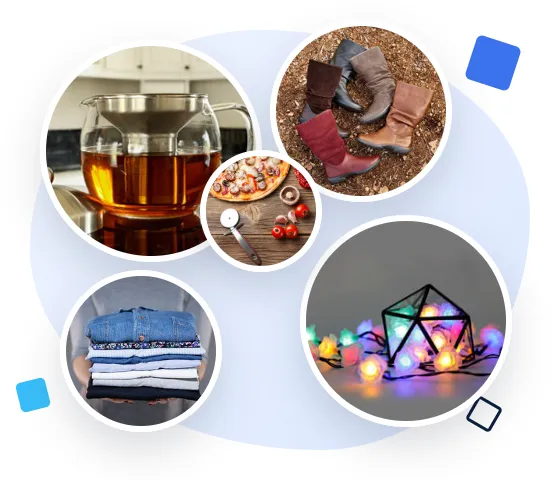
Collage of campaign product niches: tea, boots, string lights, folded clothing and pizza

The process

The five stages of a brand campaign

Every successful influencer campaign follows a similar path. Getting each stage right makes the next one easier — and makes results far easier to measure.

Stage 01

Set one clear goal

Choose a single primary objective — awareness, content, traffic or sales — and the metric that proves it.

Stage 02

Write the brief

Explain the product, key messages, must-avoid claims, deliverables, deadlines and disclosure rules.

Stage 03

Choose creators

Shortlist creators whose audience matches your customer, then vet content quality and engagement.

Stage 04

Launch and support

Share products early, approve content quickly and give creators room to speak in their own voice.

Stage 05

Measure and learn

Compare results with your goal, collect creator feedback and decide what to repeat or change.

Want the full playbook?

Browse by category

Popular campaign categories

Different product categories call for different campaign formats. Here are eight of the 27 campaign categories on Tomoson com, each with the content style that tends to work best.

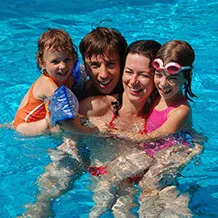
Smiling family of four playing together in a swimming pool

Parenting & Kids

Trust-led campaigns where parents share real routines, so safety, honesty and clear disclosure matter most.

Models walking a runway in colourful patchwork outfits

Trends & Style

Fast-moving launches and seasonal drops that work best with quick turnarounds and short-form video.
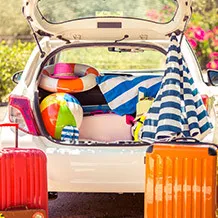
Open car boot packed with beach gear and suitcases for a road trip

Road Trips & Autos

Journey-based storytelling, from packing lists to vlogs, that shows products in real travel moments.
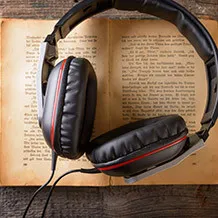
Black headphones resting on an open book

Reads & Music

Book clubs, playlists and listening sessions that reward thoughtful reviews over hard selling.

Lit candles and bath bombs set up for a relaxing grooming routine

Cosmetics & Grooming

Tutorials, routine videos and honest before-and-after trials that let results speak for themselves.
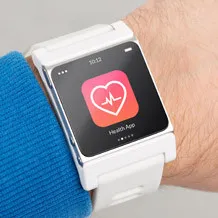
Smartwatch on a wrist showing a heart-rate health app

Wellness & Vitality

Habit-focused content where careful, compliant claims and long-term creator use build credibility.
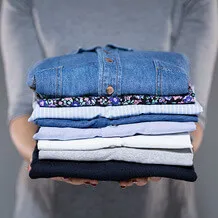
Hands holding a neat stack of folded shirts and denim

Apparel & Wardrobe

Try-on hauls, styling challenges and capsule-wardrobe series that show fit and versatility.
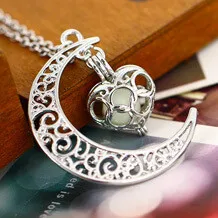
Silver crescent moon pendant necklace with a filigree charm

Jewels & Timepieces

Close-up, detail-rich photography and gifting moments that highlight craftsmanship.

Formats

Common influencer campaign formats

Most brand campaigns are built from a handful of proven formats. Choosing the right one depends on your goal, budget and how much creative freedom you want to give creators.

  • Product seeding: sending products to relevant creators with no obligation to post — low cost, great for discovering natural fans.
  • Sponsored content: paid posts, reels or videos with agreed deliverables and clear disclosure.
  • Reviews and tutorials: in-depth content that answers buyer questions and stays useful long after launch.
  • Giveaways and challenges: participation-led formats that grow engagement around a launch or season.
  • Long-term ambassadors: ongoing partnerships that build trust through repeated, genuine use.

Before you launch

A quick campaign checklist.

FAQ

Brand campaign questions

An influencer brand campaign is a planned collaboration in which a brand works with one or more creators to promote a product, service or message to their audiences. It usually has a defined goal, a creative brief, agreed deliverables, a timeline and a way to measure results.
Timelines vary with scope. A small product-seeding campaign can run within a few weeks, while multi-creator launches often need longer for planning, shipping, content approval and reporting. Building in buffer time for creator schedules and revisions keeps campaigns on track.
Measure against the goal you set at the start. Awareness campaigns track reach and impressions, engagement campaigns look at comments, saves and shares, and sales campaigns use tracked links or discount codes. Our influencer marketing metrics guide explains each measure in detail.
Yes. Small brands often start with product seeding or a few micro-influencer partnerships, which keeps costs manageable and helps them learn what resonates. Clear goals and well-matched creators matter more than budget size when you are just getting started.

Next step

Find the right campaign format for your product.

Explore all 27 campaign categories, then compare them with the creator categories to see who is best placed to tell your story.